- Custom Ornamental Iron Services
- 1-760-877-9951
- BPostal@AmericanFenceConcepts.com
- 1374 S Mission Rd #424, Fallbrook, CA 92028


From Concept to Completion: The Custom Iron Fencing Process Explained

The Impact of Quality Craftsmanship on the Longevity of Iron Fencing
October 12, 2025
Budgeting for Custom Iron Work: Cost Considerations and Financing Options
December 18, 2025
Every custom iron fencing project begins with a vision—a unique idea that reflects both your personal style and your property’s functional requirements. The journey from concept to completion is an artful process that blends tradition with innovation, meticulous planning with expert craftsmanship, and creativity with technical precision. In this comprehensive guide, we take you through each step of the custom iron fencing process, from initial design consultations to fabrication, installation, and finishing touches. By understanding the detailed process behind a custom project, you’ll gain an appreciation for the skill and attention that goes into creating a fence that is not only secure and durable but also an enduring work of art.
A custom iron fence is more than just a boundary; it’s an investment in your home’s curb appeal, security, and long-term value. Whether you are enhancing a residential property, a commercial space, or a historic home, the custom iron fencing process is tailored to meet your unique needs. Read on to discover how each stage of the journey is carefully executed to deliver a final product that stands as a testament to quality craftsmanship and enduring design.
1. Initial Consultation and Conceptualization
Every successful custom iron fencing project begins with a thorough initial consultation. This is where your vision is brought to life through open communication, detailed planning, and expert guidance.
-
Understanding Your Vision:
-
The process starts with an in-depth discussion about your goals, style preferences, and functional needs. Whether you desire an ornate gate that makes a bold statement or a minimalist railing that complements a modern home, your ideas lay the foundation for the project.
-
You are encouraged to share inspiration materials such as photographs, sketches, and architectural blueprints. This collaboration enables designers to capture your aesthetic and translate it into a cohesive design plan.
-
-
Site Evaluation and Needs Assessment:
-
A professional team conducts a site visit to assess the property’s layout, topography, and existing architectural elements. This evaluation helps determine the best placement for the fence and any challenges that need to be addressed.
-
Considerations include soil conditions, drainage, utility placements, and any local zoning or historic preservation requirements. This comprehensive assessment ensures that the design not only looks great but is technically feasible and sustainable.
-
-
Budget and Timeline Discussion:
-
During the initial phase, it’s important to establish a realistic budget and timeline for the project. Custom iron fencing is a long-term investment, and clear communication about costs and scheduling helps prevent surprises later on.
-
Your designer provides an overview of potential material and labor costs, as well as maintenance considerations, ensuring you have a clear picture of the overall project scope.
-
By the end of the initial consultation, you and your design team have a mutual understanding of the project’s direction, laying the groundwork for a design that is perfectly tailored to your property.
2. Detailed Design and Planning
Once the vision is clarified, the next phase is to transform ideas into tangible designs. This stage is characterized by precision planning, customization, and collaboration with expert artisans and engineers.
-
Conceptual Design and Sketching:
-
Designers begin by drafting initial sketches that capture the overall layout, style elements, and key features of your custom iron fence. These preliminary designs focus on balancing aesthetics with functionality.
-
At this stage, you have the opportunity to review multiple concepts, offering feedback to refine the design further. This collaborative process ensures that the final design reflects both your personality and the practical needs of your space.
-
-
Computer-Aided Design (CAD) and 3D Modeling:
-
The initial sketches are transformed into detailed digital models using CAD software. These models provide a precise, scaled representation of the fence, including all ornamental details and structural components.
-
3D modeling allows you to visualize the fence from multiple angles and within the context of your property’s existing environment. This technology ensures that every measurement is accurate and that the design integrates seamlessly with your home’s architecture.
-
-
Customization and Material Selection:
-
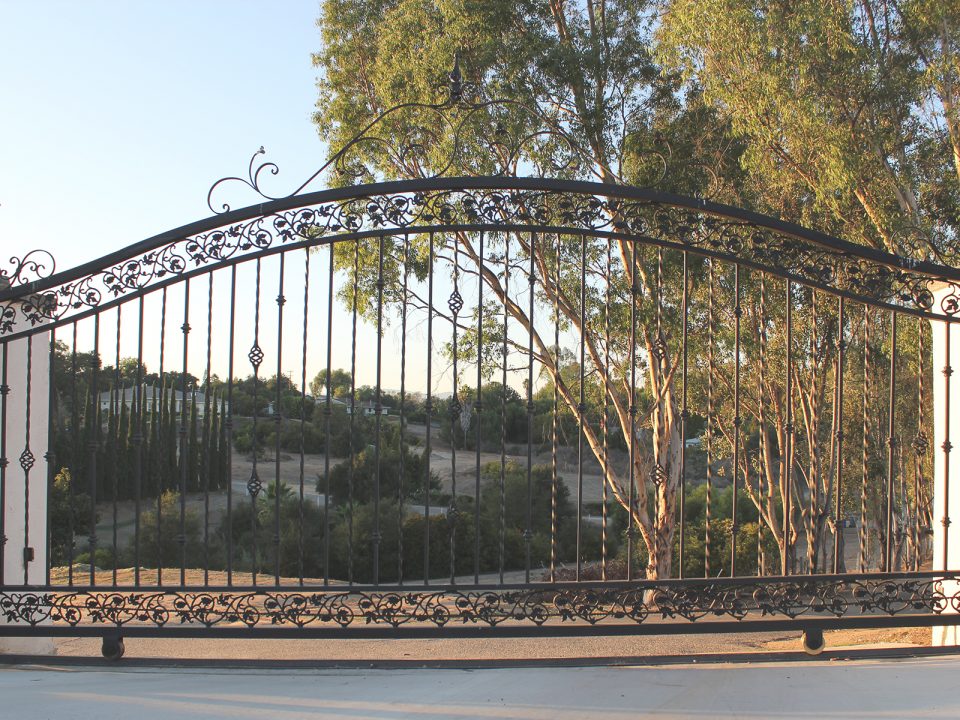
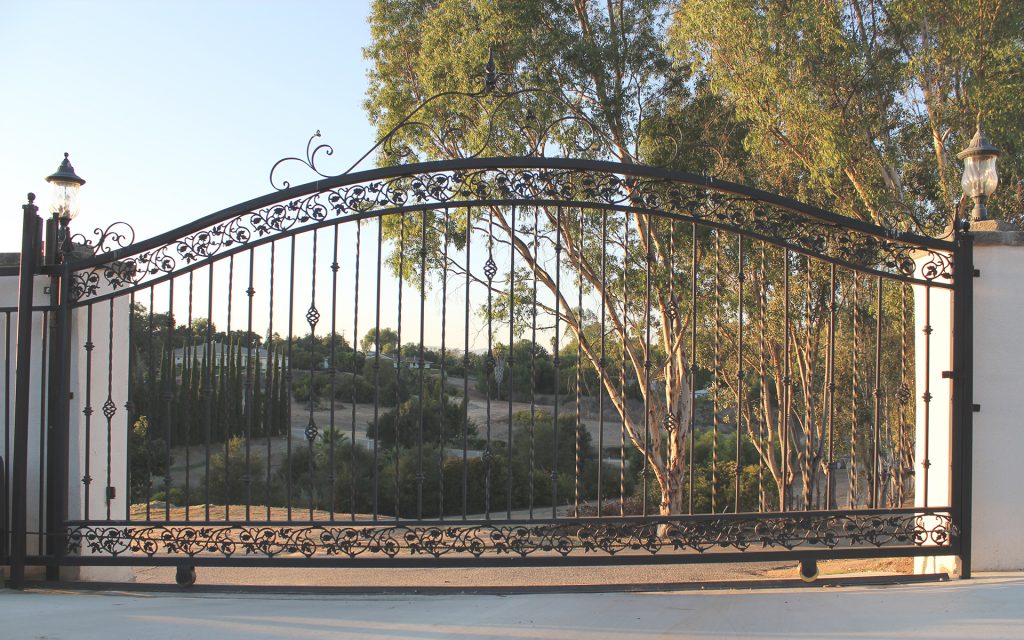
Customization is at the heart of the design process. You can choose from a wide array of design elements such as decorative motifs, scrollwork, color finishes, and the overall layout of panels and posts.
-
High-quality materials are selected based on factors such as durability, maintenance, and environmental considerations. Options may include premium wrought iron, recycled materials, or even eco-friendly composites that meet modern sustainability standards.
-
Specialized finishes (e.g., powder coating, galvanization) are discussed to ensure that the final product is both visually striking and built to last.
-
-
Final Design Approval:
-
The digital model and detailed plans are presented for your final review. At this stage, every element—from the intricate design details to the structural specifications—is scrutinized to ensure it meets your expectations.
-
With your approval, the finalized design serves as the blueprint for the fabrication stage. Detailed documentation and technical drawings accompany the design, guiding the next phases of production.
-
3. Fabrication: The Craftsmanship Behind the Art
With a complete and approved design, the project moves to the fabrication stage. This phase transforms digital concepts into physical pieces of art through a blend of traditional craftsmanship and modern technology.
-
Material Preparation and Cutting:
-
High-quality raw materials are sourced and prepared. Premium wrought iron is heated and brought to a malleable state, ready to be shaped.
-
Advanced tools such as plasma cutters and CNC machines work in tandem with skilled artisans. These machines ensure precision cuts and uniformity across all components, while human expertise adds the delicate touch required for intricate details.
-
-
Hand-Forging and Detailing:
-
Despite the use of modern machinery, hand-forging remains a critical aspect of the fabrication process. Artisans use traditional techniques to hand-forge ornate elements like scrolls, curves, and custom motifs.
-
This meticulous attention to detail ensures that every component is both structurally sound and artistically impressive.
-
-
Assembly and Welding:
-
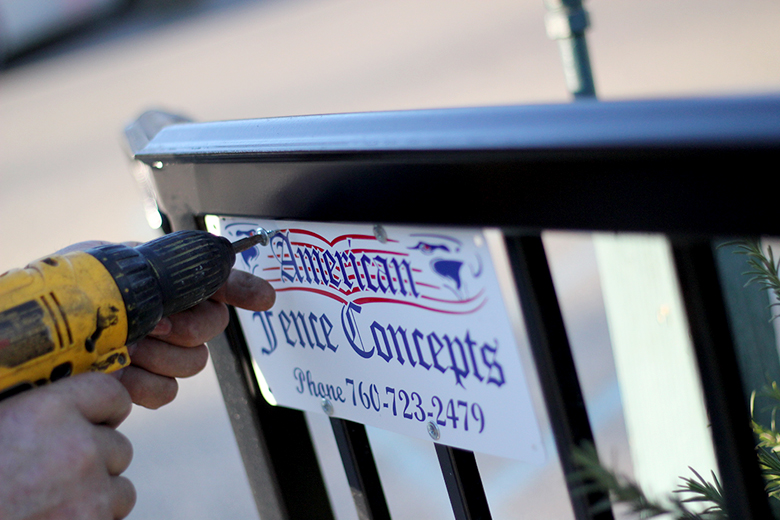
The individual components are then carefully assembled and welded together. Precision welding techniques are employed to create seamless joints that enhance the overall strength and appearance of the fence.
-
Each weld and connection is thoroughly inspected to ensure that the structural integrity meets the highest quality standards.
-
-
Finishing Treatments:
-
Once assembled, the fence undergoes a series of finishing treatments. Protective coatings such as powder coating or galvanization are applied to safeguard the metal from rust and environmental wear.
-
The final finish not only enhances durability but also adds a refined aesthetic, whether you prefer a matte, glossy, or custom color finish.
-
Quality control is integral throughout the fabrication process. Every piece is scrutinized to ensure it adheres to the detailed specifications laid out during the design phase.
4. Transportation and Site Preparation
Before installation, the fabricated components must be safely transported and the site prepared to ensure a seamless installation.
-
Safe Transportation:
-
Given the substantial weight and delicate details of the custom-fabricated iron components, specialized transportation methods are used to move the pieces from the fabrication facility to your property.
-
Expert handling and secured packaging guarantee that every element arrives in pristine condition without damage.
-
-
On-Site Preparation:
-
The installation team begins by preparing the site. This includes clearing the area, leveling the ground, and setting up any necessary infrastructure for installation, such as concrete footings or support pillars.
-
A detailed survey of the installation area is conducted to ensure that all measurements correspond accurately to the approved design.
-
-
Compliance with Local Regulations:
-
Professional installers coordinate with local authorities to ensure that all necessary permits are obtained and that the installation complies with zoning laws and building codes.
-
This step is vital to ensure that the project adheres to legal standards and will be durable and secure.
-
5. On-Site Installation and Final Assembly
With the site fully prepared, the installation phase brings the custom iron fence to life on your property.
-
Foundation and Post Installation:
-
The installation begins with establishing a strong foundation. Concrete footings are poured, and posts are securely anchored in place. These posts form the backbone of your fence and are critical for long-term stability.
-
Precision alignment techniques ensure that each post is positioned according to the design specifications, creating a unified and balanced look.
-
-
Mounting Pre-Fabricated Components:
-
Once the foundation is set, the pre-fabricated iron panels and decorative elements are carefully lifted and mounted onto the posts.
-
The installation team uses specialized equipment to handle heavy components, ensuring that each piece is installed without damage.
-
All components are secured using high-quality fasteners and welding, with adjustments made on-site to ensure a perfect fit and alignment.
-
-
Integration of Additional Features:
-
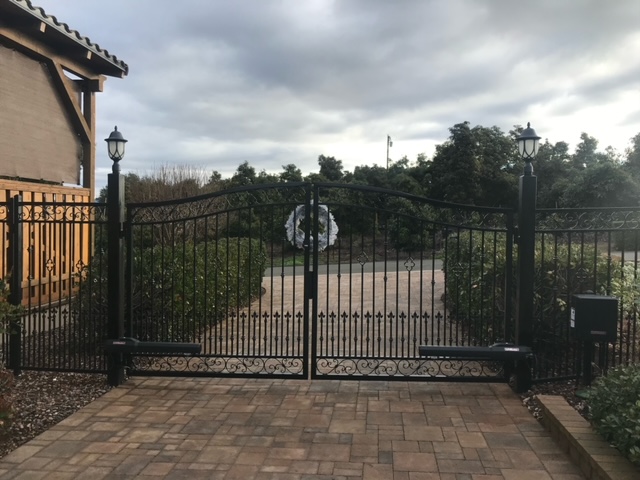
If the design includes automated gates, integrated lighting, or smart access systems, these elements are installed concurrently. Wiring, sensor placement, and calibration of automated systems are carried out meticulously to maintain both functionality and aesthetic appeal.
-
The integration of these advanced features is designed to be discreet, ensuring that they complement the overall design rather than overshadow it.
-
-
Final Adjustments and Quality Inspection:
-
After all components have been installed, the team conducts a thorough quality inspection. Any minor misalignments, loose connections, or finishing issues are addressed immediately.
-
A final walkthrough with you, the client, ensures that every detail meets your expectations and that the fence is fully operational.
-
6. Post-Installation Care and Client Walk-Through
The journey doesn’t end with the installation. Post-installation care ensures that your investment remains beautiful and durable for years to come.
-
Client Walk-Through:
-
A detailed walk-through is conducted with the installation team to explain the operational features, maintenance schedule, and any care instructions specific to your custom iron fence.
-
Documentation, including warranty information, maintenance guidelines, and repair contacts, is provided to ensure you have everything you need for long-term upkeep.
-
-
Scheduled Maintenance Recommendations:
-
Routine maintenance tips—such as periodic cleaning, inspections, and touch-up painting—are shared to help you preserve the fence’s finish and structural integrity.
-
Professional maintenance packages may also be recommended to ensure that your custom iron fencing remains in top condition.
-
Conclusion
From the initial consultation and detailed design phase to the expert fabrication, safe transportation, and precise on-site installation, the journey from concept to completion in custom iron fencing is a meticulous process that reflects the highest standards of craftsmanship and technology. Every step is designed to create a custom solution that not only enhances the aesthetic appeal and security of your property but also stands as a lasting testament to quality and attention to detail.
Investing in a custom iron fence is more than purchasing a product—it is about creating a legacy piece that endures through time, protecting your property while adding a unique touch of artistic elegance. Whether you are upgrading your home’s perimeter or embarking on a new project, the thorough process behind custom iron fencing ensures that the final result is both robust and breathtaking.
If you’re ready to experience the full journey from concept to completion with a custom iron fencing solution that meets your precise requirements and exceeds your expectations, we’re here to help you every step of the way.
Call us now at 1-760-877-9951 to schedule your personalized consultation and begin your journey toward a secure, stunning, and uniquely crafted iron fence.