

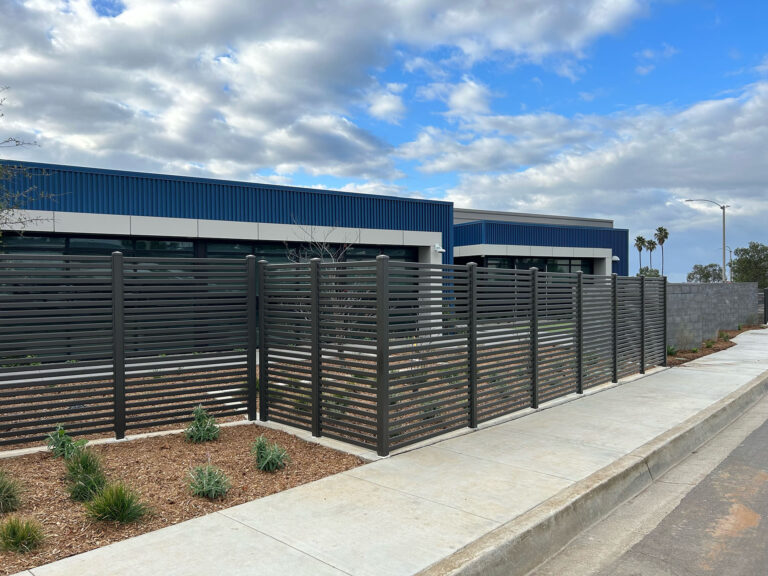
Commercial Perimeter Fencing
Security fencing for commercial properties, parking areas, service yards, equipment zones, and other boundaries where controlled access and clear perimeter definition are important.
Licensed contractor, License #1037833 Serving San Diego, Orange, Riverside, and Los Angeles counties
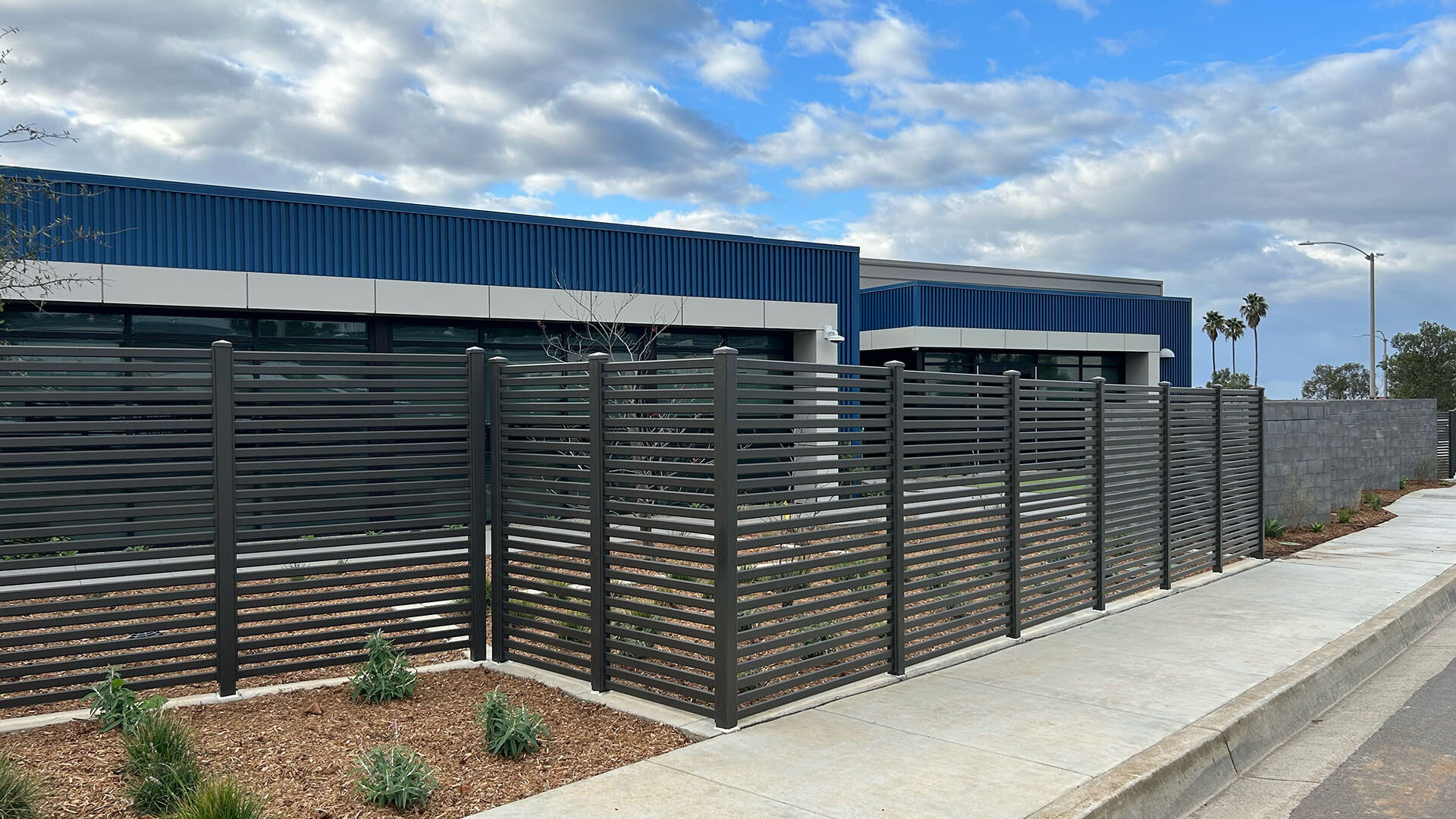
Security Fencing and Gates
American Fence Concepts designs, fabricates, installs, and repairs security fencing, perimeter gates, and controlled-entry boundary systems for residential and commercial properties across Southern California.
California contractor license #1037833
Property security and boundaries
Security fencing can serve several different purposes, from defining a residential boundary to controlling access around commercial, hospitality, parking, or equipment areas.
American Fence Concepts works with security fences, perimeter gates, pedestrian entrances, driveway gates, and other boundary systems where access control, visibility, privacy, or enclosure are important.
Project planning may include fence height, gate placement, hardware, vehicle and pedestrian access, visibility, maintenance, and the condition of existing walls, fencing, or other site features.
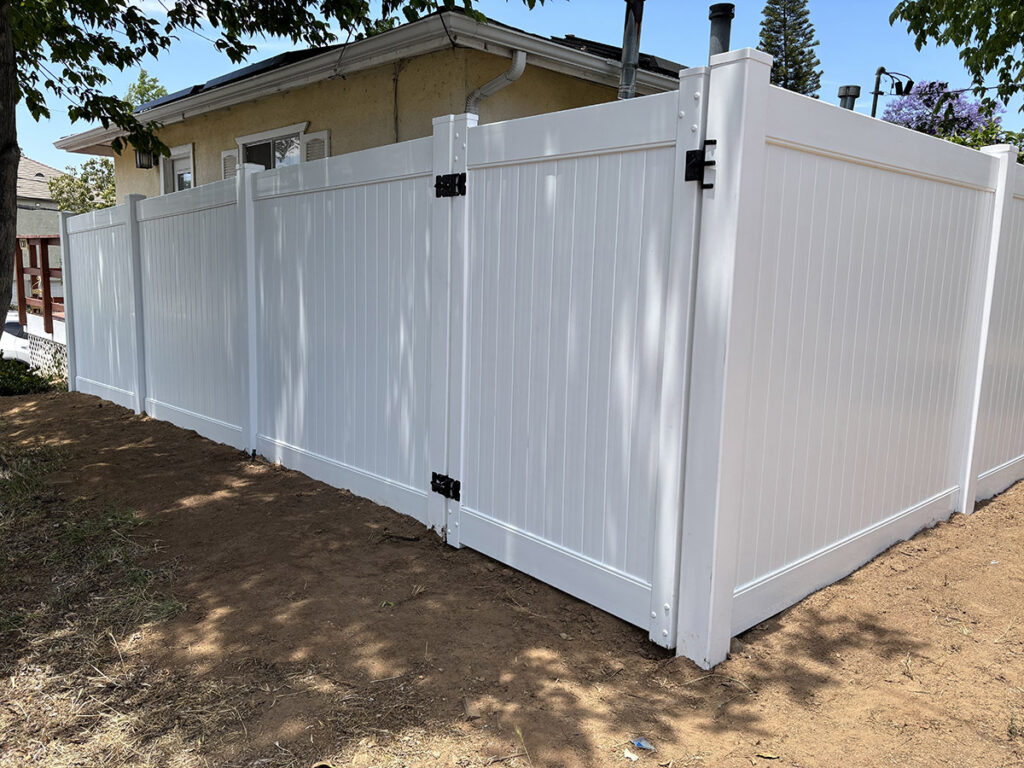
Security fencing solutions
Security fence and gate projects can take different forms depending on whether the priority is perimeter control, privacy, visibility, vehicle access, pedestrian access, or protection of specific areas on the property.
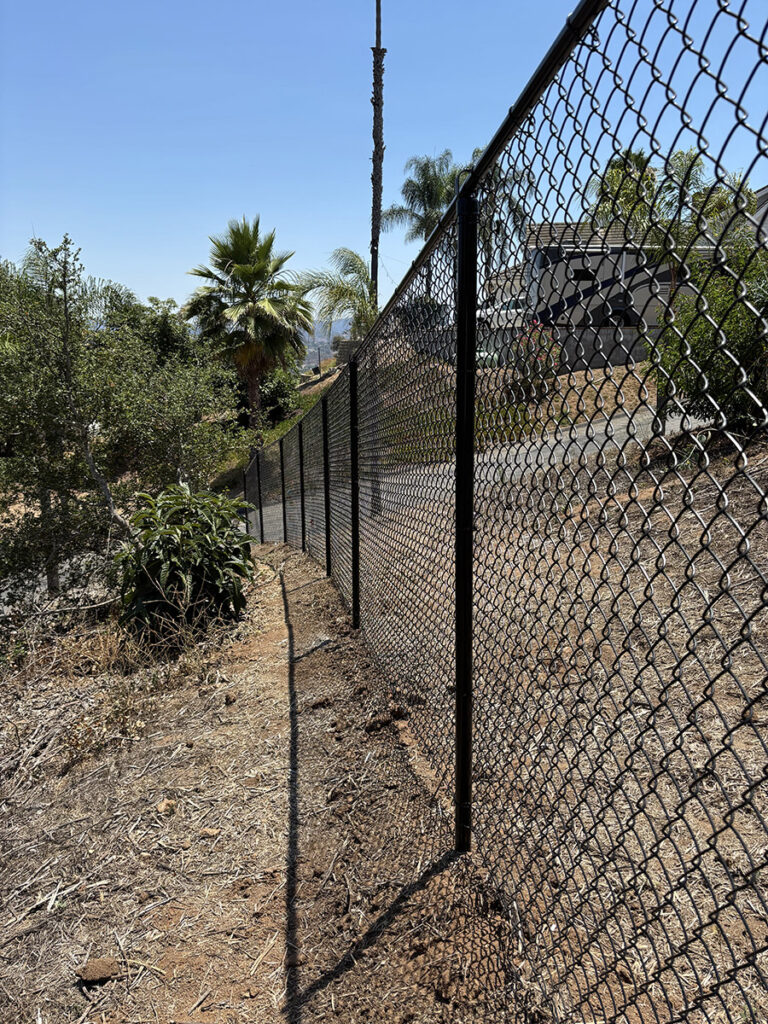
Security fencing for commercial properties, parking areas, service yards, equipment zones, and other boundaries where controlled access and clear perimeter definition are important.
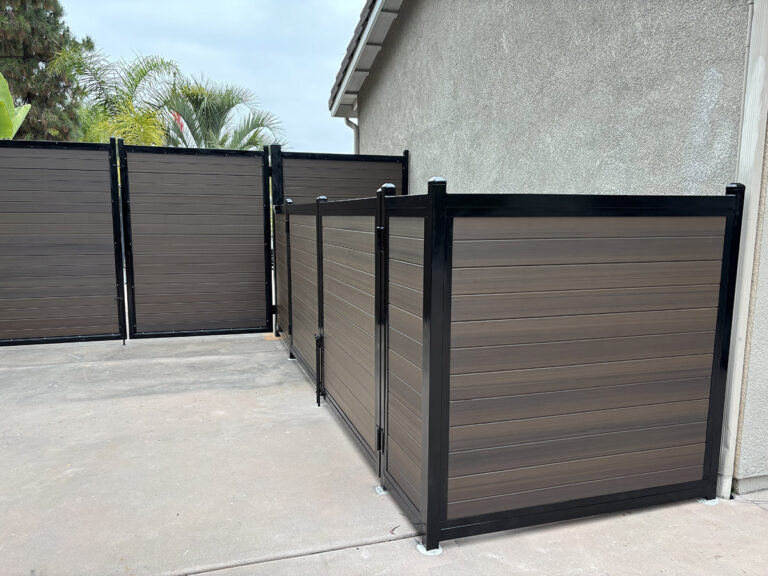
Security fencing for homes and residential properties, including side yards, property boundaries, private entrances, and areas where privacy, visibility, or controlled access are priorities.
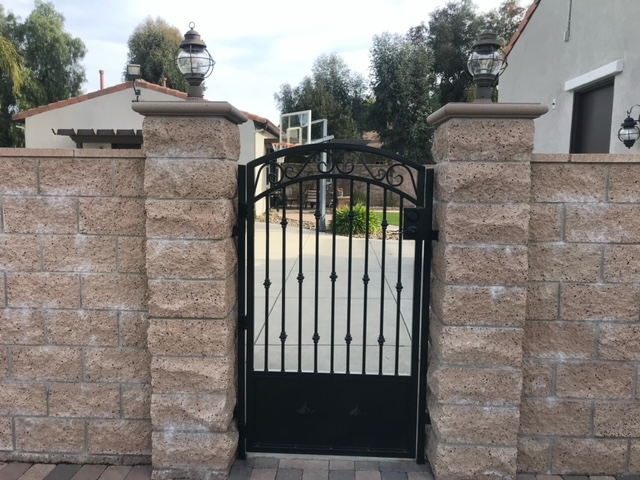
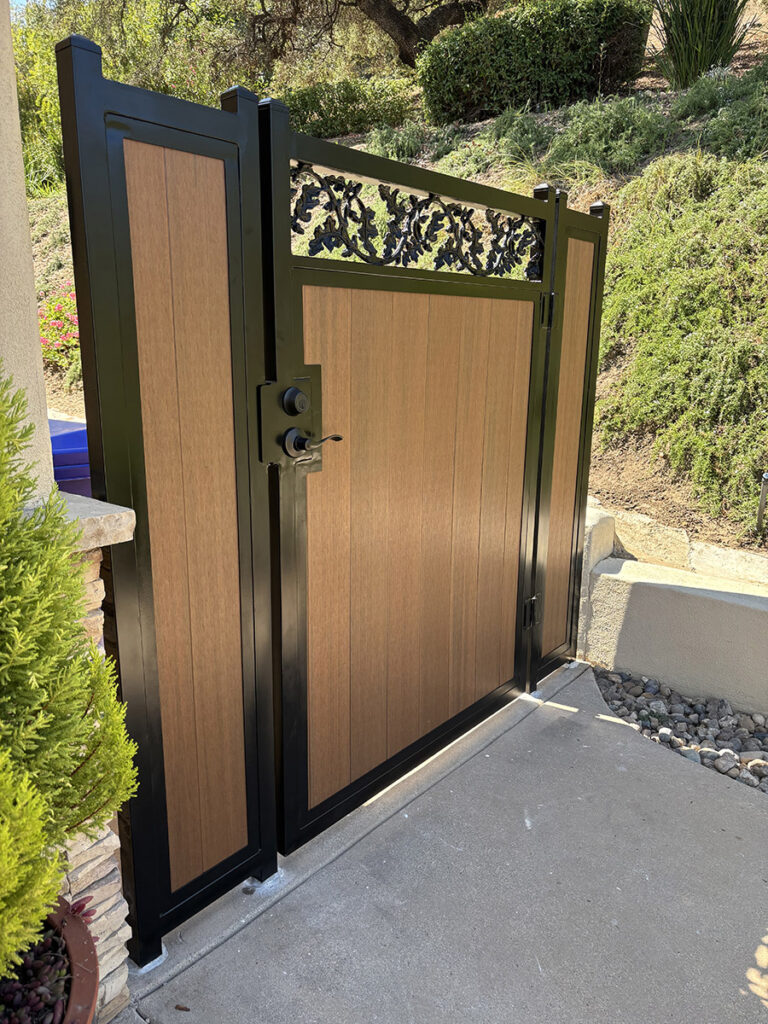
Custom driveway gates, pedestrian gates, side-yard gates, and perimeter entrances for residential and commercial properties that need controlled vehicle or foot access.
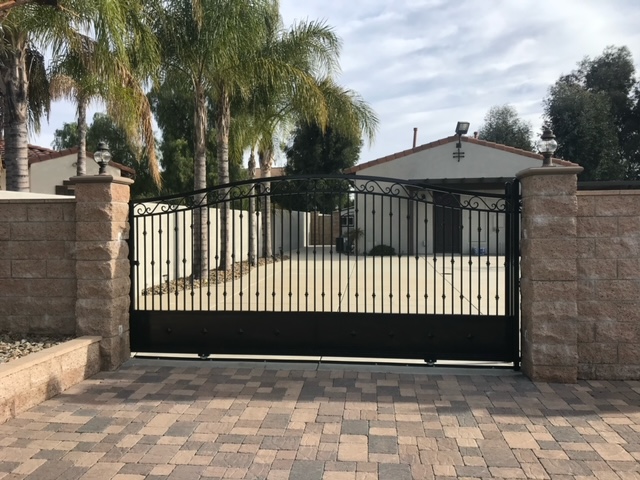
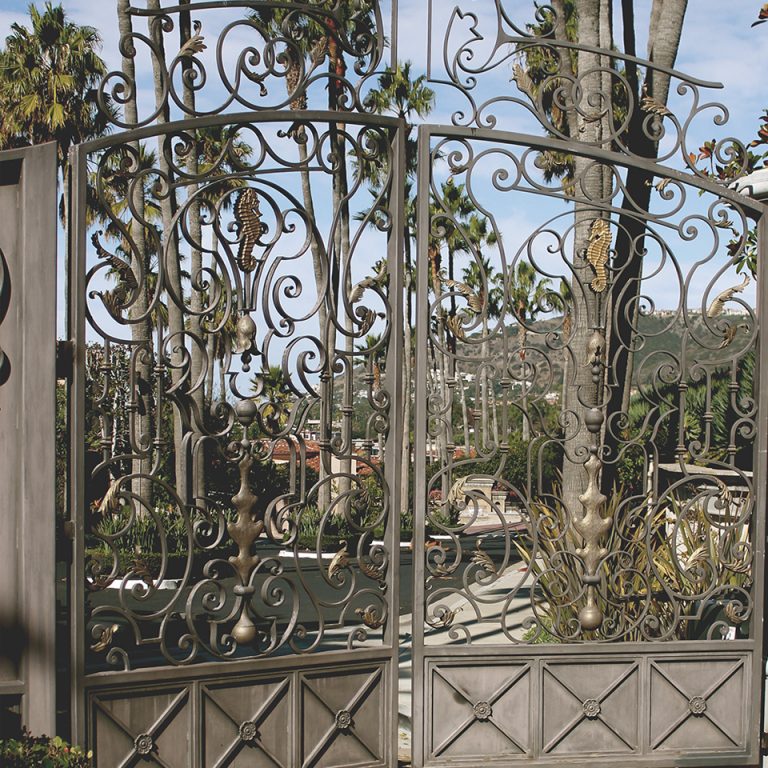
Ornamental iron and steel fencing for security boundaries, driveway gates, pedestrian gates, and other applications where visibility, strength, and architectural detail are important.
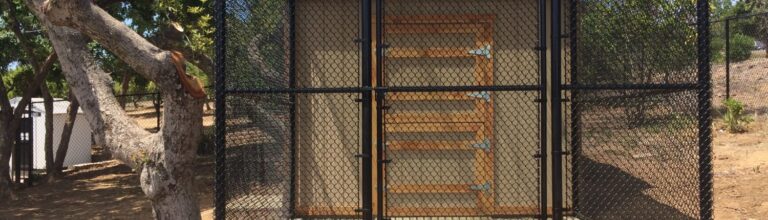
Chain-link fencing for commercial boundaries, equipment areas, utility spaces, parking areas, and other locations where visibility and practical enclosure are priorities.
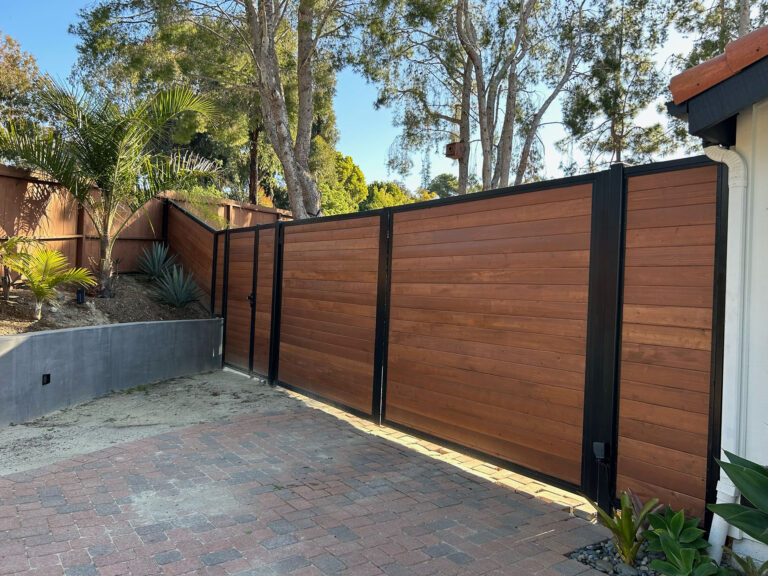
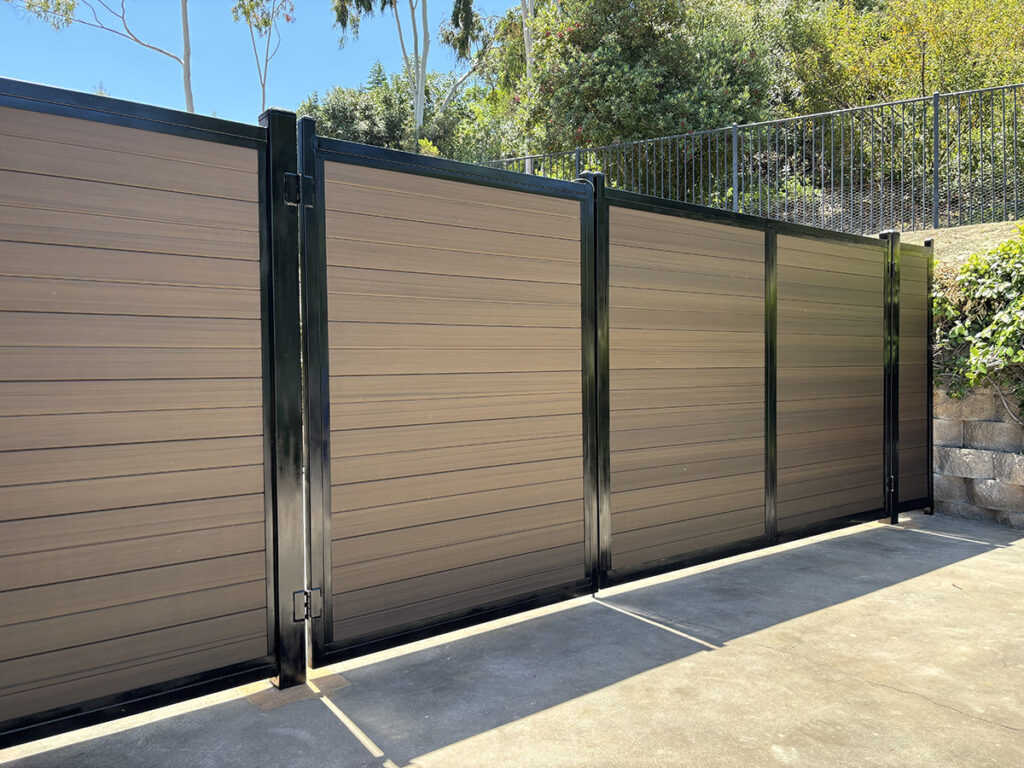
Wood, vinyl, Trex, and mixed-material fencing for properties that need more visual separation, screening, or privacy as part of the overall perimeter.
Planning considerations
Security fence planning involves more than choosing a material. Property boundaries, access points, visibility, privacy, daily traffic, and the appearance of the finished perimeter can all affect the layout.
Existing lot lines, walls, slopes, landscaping, structures, and neighboring conditions can affect where security fencing and gates are positioned.
Vehicle entrances, pedestrian paths, service areas, deliveries, and routine traffic help determine gate locations, opening widths, and access needs.
Open sight lines may be important around driveways, parking areas, entrances, and public-facing boundaries, while other areas may need more screening.
Fence height, spacing, material, and panel style influence how much visual separation the perimeter provides.
The number of people, vehicles, deliveries, and gate cycles can affect clearances, hardware, gate type, and overall layout.
Security fencing is still part of the property exterior, so material, proportions, finish, and architectural compatibility matter alongside security and access goals.
Security fence materials
Material choice affects how much of a property remains visible, how much privacy the fence provides, the maintenance involved, and how the finished perimeter relates to the surrounding architecture.
Ornamental iron and steel can be used for security fencing, driveway gates, pedestrian gates, perimeter fencing, and architectural metalwork where visibility, strength, and a detailed finished appearance are important.
Aluminum can be used for security fencing and gates where lower weight, corrosion resistance, open sight lines, and a clean finished appearance are priorities.
Wood, vinyl, and Trex are useful for privacy fencing, screening, and residential boundaries where reducing visibility is part of the security or enclosure goal.
Chain-link is a practical choice for commercial security fencing, equipment areas, utility spaces, property perimeters, and other locations where visibility and straightforward enclosure are important.
Mixed-material security fencing can combine metal framing, wood-look panels, masonry, existing walls, or other compatible elements to balance privacy, visibility, and architectural fit.
Ornamental iron and steel can be used for security fencing, driveway gates, pedestrian gates, perimeter fencing, and architectural metalwork where visibility, strength, and a detailed finished appearance are important.
Property types

Residential security fencing can include driveway gates, pedestrian gates, side-yard gates, privacy fencing, garden enclosures, and perimeter fencing for homes and residential properties. These systems can provide controlled access, clearer boundaries, added privacy, or a combination of those needs.
Commercial security fencing can include perimeter fencing, security gates, pedestrian access points, parking-area fencing, equipment-area fencing, and repair work for businesses, multifamily properties, hospitality sites, and other commercial facilities.
Driveway, pedestrian, and perimeter gates
A security gate can control vehicle or pedestrian access while tying into the surrounding fence, wall, driveway, or walkway.
American Fence Concepts works with custom driveway gates, pedestrian gates, commercial entry gates, and perimeter access gates for residential and commercial properties. Gate projects can include swing or sliding configurations, custom metalwork, privacy or open-view designs, and hardware suited to the opening and expected use.
From site discussion to installation
Security fencing, perimeter gates, and repair work generally move through four connected stages, from reviewing the site and access needs through fabrication, installation, or repair.
Review the project location, existing boundaries, security or privacy goals, access points, approximate dimensions, preferred materials, and current site conditions.
Define fence placement, gate locations, visibility, privacy, grades, walls, clearances, hardware, and other details needed before fabrication begins.
Prepare perimeter fencing, security gates, posts, frames, and related metalwork for the approved boundary layout, openings, and access points.
Install or repair the perimeter system, then address gate alignment, clearances, hardware, closure, and other details that affect secure vehicle and pedestrian access.
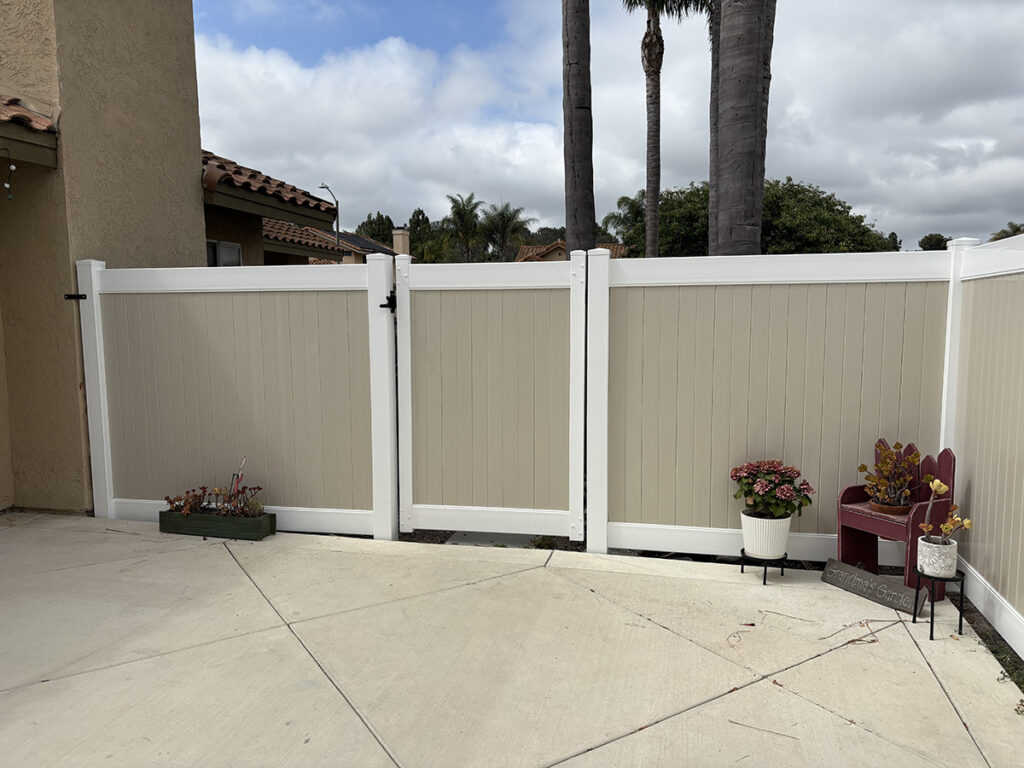
Existing security fences and gates
Existing security fences and gates may need repair because of impact damage, corrosion, movement, alignment problems, hardware failure, or worn components.
American Fence Concepts provides security fence repair, gate repair, adjustments, replacement sections, hardware-related repairs, and partial rebuilds for existing perimeter systems, including work originally installed by another company.
Whether repair or partial replacement makes sense depends on the material, current condition, dimensions, and available components.
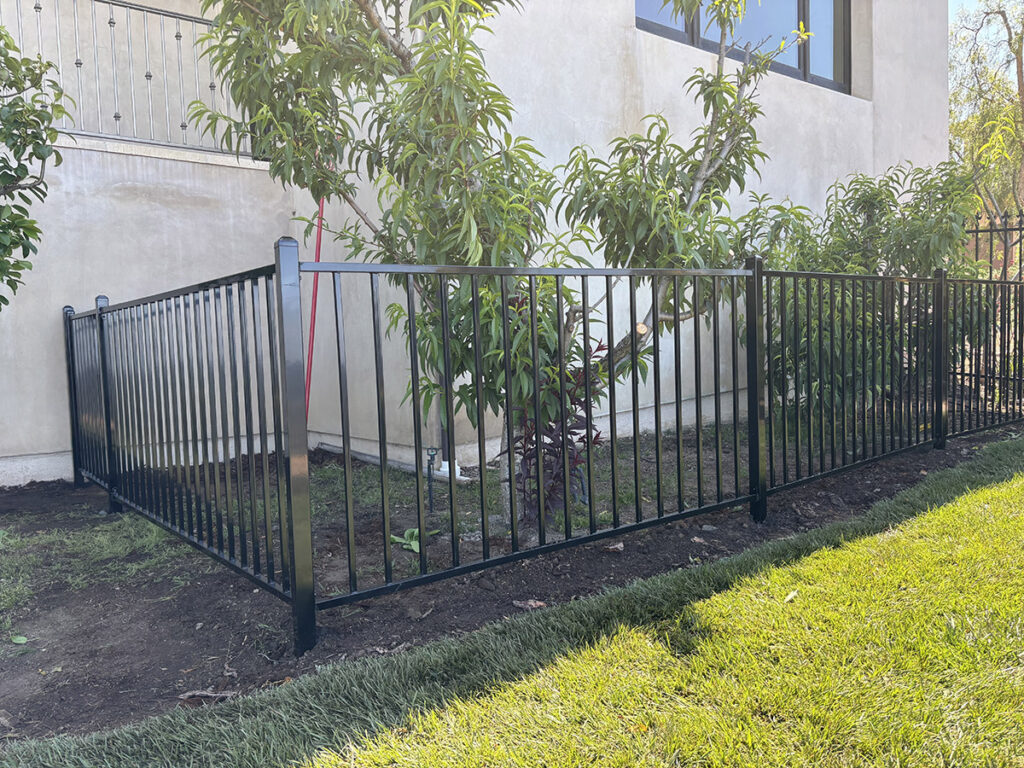
Security fence projects
Explore completed residential and commercial projects featuring security fencing, perimeter gates, controlled-entry systems, and boundary work across Southern California.
Southern California service area
From its home base in Fallbrook, American Fence Concepts provides residential and commercial security fencing and gate services throughout San Diego, Orange, Riverside, and Los Angeles counties.
Security fence questions
Security fencing places more emphasis on controlled access, boundary definition, visibility, gate placement, and how people or vehicles move through the property. The material may be similar to other fencing, but the layout and access points are considered with security and circulation in mind.
That depends on the purpose of the boundary. Open ornamental iron, steel, aluminum, or chain-link can preserve sight lines around entrances, parking areas, and public-facing edges. Wood, vinyl, Trex, masonry, or mixed-material systems may be better where screening and privacy are more important.
The existing opening, gate width, support points, surrounding walls or fencing, grade, pedestrian clearance, hardware, and available space for gate movement all matter. The condition of the existing system also affects whether a new gate can be added cleanly or whether part of the surrounding boundary needs modification.
Either can work. Swing gates need clear space through their travel path, while sliding gates need sufficient room alongside the opening. Driveway grade, available side clearance, traffic patterns, gate size, and surrounding structures usually determine which configuration makes more sense.
Yes. A project may use open fencing near driveways or public-facing areas and more solid screening around private yards, equipment areas, service zones, or other sections where visibility is less desirable. Mixed-material boundaries can also serve different needs around one property.
Existing walls, pilasters, columns, and other structures may be incorporated into a project when their condition and dimensions are suitable. How new fencing or gates connect depends on the existing construction, opening, support needs, and condition of those element
American Fence Concepts focuses on the physical fence, gate, railing, and architectural metalwork portions of the project. Operator, keypad, intercom, phone-entry, or other electronic access requirements should be identified separately so the physical gate and access-control scope can be coordinated. This distinction is already reflected in the current page and is worth preserving.
Repair may make sense when damage is limited to alignment, hardware, corrosion, or individual sections and the surrounding system remains serviceable. More widespread deterioration, unavailable components, major movement, or an outdated layout can make partial replacement or a new installation more practical.